

STL371: The Wood Gets a Vote
Questions
From Laurel, British Columbia:
Working in collaboration with my clients is an important aspect of how I approach commissions. I recently worked with a client on the design of a piece of furniture he had a high emotional attachment to. Toward the end of the build he insisted on adding one final detail. While I feel this diminished the overall design, I added it because, well, that’s what he hired me to do. In the end the client loved the final product, paid more than what I quoted, and wants to commission me for an even bigger piece. What advice do you have for finding that just-right balance between what the client wants and maintaining design values?
From Bernie, Mozambique:
I’m a hobbyist woodworker based in Maputo, Mozambique, that does the occasional commission project. I work in my one-car garage shop probably about 2 hours on weekdays and about 6 hours daily on the weekends. I have a DeWalt jobsite saw, a lunchbox planer, a chopsaw, and a couple of routers as my “loud” tools. I am concerned about my hearing with such loud tools but also love hearing music and podcasts (STL!) while I’m woodworking. I find it a pain to always have to pause my music and put on my hearing protection when the loud machines come on. Ideally, I’d like to have bluetooth earbuds or earmuffs which offer an equal if not better level of hearing protection than my plastic earplugs have. Any suggestions?
On a sidenote, I think it would be a great topic for you guys to do an episode about how to manage a home workshop when in close proximity of neighbors. My workshop is about 5 meters from my neighbors’ house, and I feel bad sometimes at how loud my power tools can get but have not figured out how to make my woodworking quieter. I’m not ready to go all in with hand tools, but I am also mindful that my neighbors probably want to shoot me sometimes, especially when my planer blades start to get a bit dull.
Please keep up the amazing work you guys are doing, and keep inspiring new woodworkers everywhere to keep going deeper in the craft.
From John:
I’m thinking of cutting some ash logs I have into end-grain rounds for use as tabletops. I’m familiar with managing wood movement in normal face-grain tabletops. What do I need to watch out for in drying and using end-grain slabs? Since they are mostly end grain, I imagine they’ll dry out faster and I’ll need to make sure to use something like Anchorseal to control drying.
How about in the tabletop itself? Do I manage movement as I normally would, or are there any other factors I need to consider? I’m planning on flattening the slabs with a router sled followed by hand planes and scrapers.
New England American Craft Tour Announced!

Mentioned in this episode
Nancy Hiller’s Two-Heart Chair
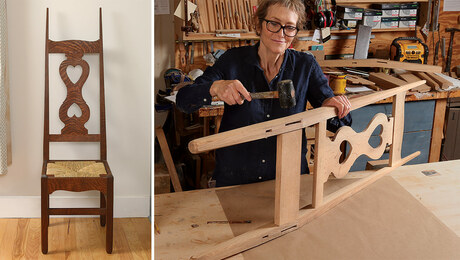
Nancy Hiller’s Book
Making Things Work: Tales from a Cabinetmaker’s Life
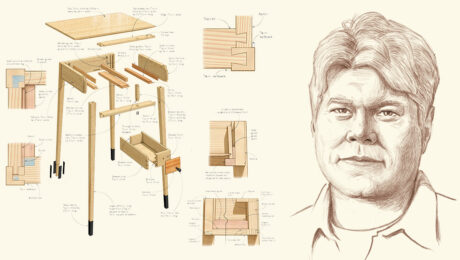
John Hartman, Fine Woodworking illustrator
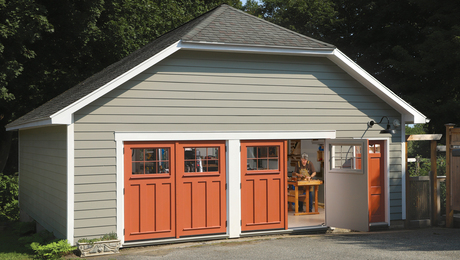
Shop Talk Live: Getting Geeky with ISOtunes

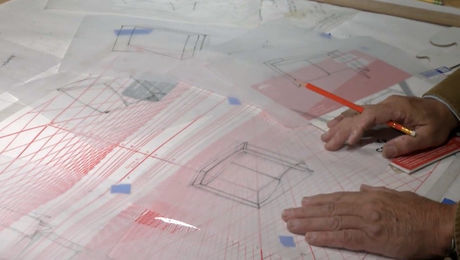
Michael Fortune’s Design Process and Isometric Paper
Every two weeks, a team of Fine Woodworking staffers answers questions from readers on Shop Talk Live, Fine Woodworking‘s biweekly podcast. Send your woodworking questions to [email protected] for consideration in the regular broadcast! Our continued existence relies upon listener support. So if you enjoy the show, be sure to leave us a five-star rating and maybe even a nice comment on our iTunes page. Join us on our Discord server here.
Sign up for eletters today and get the latest techniques and how-to from Fine Woodworking, plus special offers.