

First Time Here? – FineWoodworking
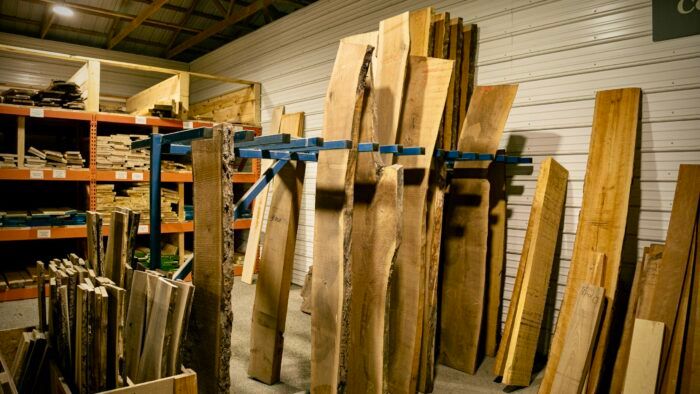
The first time I walked into a lumberyard with a cut list in my pocket, I assumed I was supposed to know what I was doing, as if simply showing up meant I was ready to make good decisions. I wasn’t, not even close, and from what I see with my students, that hasn’t changed much.
Most new woodworkers don’t struggle with the atmosphere, because the smell of fresh lumber and the visual order of stacked boards are part of the appeal. The trouble starts when it’s time to actually choose material, when the decisions are real and the margin for error suddenly matters. That’s when the hesitation creeps in and confidence starts to unravel.
The hard truth is that most people don’t understand the material they’re working with, and wood is not forgiving of that gap.
Wood isn’t stable or predictable. It moves with humidity, with seasonal change, and with where you live, whether you account for it or not. You can build something that looks clean and precise on day one and still have it fail over time because you didn’t understand what the material was going to do next.
Over time I’ve learned to pay close attention to movement, not just in general terms but in the specifics that actually affect outcomes. Different species behave differently, but so does the way the board is cut, with quartersawn stock offering the most stability, flatsawn moving the most, and riftsawn sitting somewhere in between. Those choices don’t feel critical in the lumberyard, but they show up later when parts can cup, twist, or bind.
Then there’s the mismatch between how we think and how we buy. In the shop, everything is linear, measured in length, width, and thickness, but lumber is sold by volume, with a board foot representing 144 cubic inches. It’s a pricing system, not a building system, and it confuses people more than it helps, especially when they’re already unsure.
What really trips people up is the idea that they’ll find a perfect board—something straight, clear, and consistent from end to end. That board doesn’t exist. Every piece has character, whether it’s knots, checks, or grain issues, and pretending otherwise is a fast way to waste both time and money. You don’t find perfect material. You learn to work around imperfect material.
Because of that, I never buy exactly what my cut list calls for.
I plan for loss, because there will be loss, and building in 25% to 30% extra gives me room to deal with defects and make better decisions about grain and layout. It feels excessive until you come up short halfway through a project, which is where most people learn this lesson. I also make sure I’ve got enough extra material to mill an additional leg or apron for a table, which gives me a buffer if I mess one up and doubles as a reliable setup piece when dialing in machines.
When you put all of this together, it’s no surprise that the lumberyard feels intimidating at first, and the staff can spot you a mile away by that look, standing there with your mouth slightly open and that mix of wide-eyed wonder and low-grade panic. The upside is that you don’t have to figure it out alone, and most of the people working there know wood well enough to steer you in the right direction if you ask.
I was fortunate to spend time at Rosewood Studio learning about wood as a material, not just as something to cut and assemble, and not everyone gets that foundation. One resource I still recommend to my students is Understanding Wood by Bruce Hoadley, which goes deep into how wood behaves, in more detail than most people think they need until they realize they do.
I don’t suggest reading it cover to cover before you start, because that’s a good way to stall out, but keeping it nearby and using it as questions come up will save you from learning everything the hard way.
If you’re going to work with wood, my advice is simple: Learn how it behaves, because it won’t forgive you just because your joinery looks good.
Fine Woodworking Recommended Products

AnchorSeal Log and Lumber End-Grain Sealer
Good for both sealing the end grain of freshly cut logs and boards, this wax prevents end-grain checking and saves material
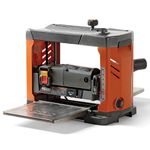
Ridgid R4331 Planer
Priced nearly $300 less than the DeWalt 735X, the Ridgid R4331 is an excellent value. Its three-knife cutterhead left wonderfully clean surfaces on plainsawn white oak and white pine. It did not perform nearly as well on curly maple as the 735X.
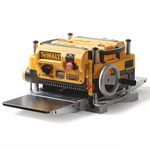
DeWalt 735X Planer
At high speed, the planer works fast and leaves a smooth surface. But the slower, finish speed produces an almost glass-smooth surface. Knife changes are easy.
Sign up for eletters today and get the latest techniques and how-to from Fine Woodworking, plus special offers.


