

One Way to Get into Teaching

I recently taught a staked stool class at the Woodcraft in Oklahoma City and I wanted to share my experience and provide some insight on how you might also get started teaching woodworking.

If we want the craft to grow, we have an obligation to pass what we have learned on to future makers. After making furniture and chairs for a few years, I had the urge to share the knowledge and skills I accumulated. Teaching is something I’ve always enjoyed doing, and sharing the craft with others makes me a better maker and writer.
After talking with other instructors about how to get started, one piece of advice I got was to teach at a woodworking store. These stores, such as Woodcraft and Rockler, routinely offer classes ranging from pen turning to cabinet making, so the opportunities to get started are vast.
Full disclosure: I work part-time at Woodcraft. Employment is not required to teach there, but it does make it easier. I am not being compensated by Woodcraft to write about them and I only name them specifically as it relates to my personal experiences. Woodcraft stores are also franchises, so each one might handle classes a little differently.
For my first class I chose how to make a 3 legged stool (sometimes called a milking stool.) I’ve made half a dozen or so stools, in addition to roughly 20 chairs, so I felt very confident in my ability to technically execute the build as well as troubleshoot any issues that would come up during the class.
I’ve also done demonstrations on how to make the same stool for woodworking meetups and a local guild. Think of it like an 90s style cooking show, constantly leap frogging from parts and operations to completed pieces until you pull out a fully assembled and glued stool. Ta-da! This gave me practice in demonstrating the build and conveying information to people of various backgrounds and skill levels. The questions people asked during these demos were invaluable and gave me new perspectives.

Before I pitched the class to the store, I had questions I needed to answer.
- Were classes like these already being offered locally? If so, where were they being offered and how much were people charging?
- I do as much work as possible with hand tools and want that to be a major part of the class. How does that compare to other offerings out there? Will that be a problem for the store?
- How many students could I (or the classroom) realistically support?
- What, if any, extra tools would I need?
- How much would materials cost?
- How much labor would be involved in stock prep for the class?
I know that can feel like an overwhelming number of questions, but having information like this will help you ‘sell’ the class to the store. It shows you’ve considered a lot of factors and it also protects you from potentially offering a class that isn’t affordable or sustainable.
The store I teach at splits the tuition with the instructor 50/50 after material costs are recouped. If Woodcraft supplies the materials, they are subtracted from tuition (at cost, not retail) and then the leftover money is split 50/50. If the instructor supplies the materials, then the material fee is paid to the instructor before splitting the remaining tuition.
After doing a little market research, I determined the class cost and worked my way backward, factoring in materials, time, and how much an initial investment would cost for the extra tools to see if it made financial sense.
With my information at the ready, I pitched the class to the store. You might be picturing board rooms, suits, and a well polished slide deck, but it was a very relaxed process. I brought in a completed stool, described the process, estimated how long it would take, set the number of slots available, and the tuition. They approved, and after I chose dates and times, they added it to the class schedule.

Then I had to make it through the worst part of teaching a class (for me): waiting to see if anyone had signed up. It can be scary putting yourself out there like that, but all you can do is wait. Maybe it’s just me, but I felt a pretty big wave of relief after I got my first signup.
Two weeks prior to class, I prepped the materials. I’m incredibly selective when it comes to leg material so I purchased that myself (which is what I planned to do and factored that into my prior cost calculations.) Prep work was done on my own time, with most of the work being done at my shop and the rest in the Woodcraft classroom. This is largely location dependent, so be sure to finalize those details before agreeing to take on a class. Each stool kit contained the following:
- Seat blank: ~14” x 14” x 1-¾” thick, pre-milled and glued up (if needed)
- One un-tapered leg blank: 1-¾” x 1-¾” x 16” long
- Two tapered octagonal legs: 16” long, pre-tapered to save classroom time
While I want the students to get the full experience in taking a leg blank all the way to final, it felt completely unnecessary to have them taper all 3 legs by hand, so I batched them out on the jointer (again, this labor was factored in with my calculations.) I made enough kits for 7 people, with even more legs to replace potential mistakes with the tenons. Any remaining parts would be used in the next class, so it wasn’t a complete loss to do this much prep ahead of time.
Thankfully the class went well and there were no major issues, outside of running about an hour longer than estimated. This wasn’t an issue with the store since it was the only class scheduled for the day, but it’s another thing to consider when scheduling, especially if it’s your first time teaching.

Whether it’s a better understanding of how much goes in to putting a class together or it inspires you to pick up your tools and pass your knowledge along, I hope you enjoyed this peek behind the curtain.
You can read more of Jon’s writing on Substack.
Fine Woodworking Recommended Products
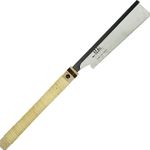
Suizan Japanese Pull Saw
A versatile saw that can be used for anything from kumiko to dovetails. Mike Pekovich recommends them as a woodworker’s first handsaw.
Sign up for eletters today and get the latest techniques and how-to from Fine Woodworking, plus special offers.


